Showing posts with label leather furniture. Show all posts

Thursday, March 8, 2018

Buying Leather Furniture


Want stylish, comfortable furniture that actually improves with age? Then invest in leather, a durable and attractive material that comes in a variety of styles, colors and strengths. Here are things to keep in mind when shopping:
1. Leather is four times more durable than fabric, so don’t worry about having kids around it. Just like a leather jacket or shoes, leather furniture gets better with age.
2. Aniline leather is dyed in a drum, which allows the dye to completely soak through for a rich, deep color. No protective coating is added, and it’s the softest and most expensive leather.
3. Semi-aniline (protected aniline) leather is also dyed in a drum and has a small amount of coating applied, giving it slightly better protection against stains and fading than aniline leather.
4. For pigmented leather, color is applied to the surface, not dyed through and through. And while the color isn’t as rich, it’s finished to provide greater protection against scratches, stains and fading. These leathers are less expensive and usually aren’t as soft as dyed leathers.
5. Unlike upholstery, the color of your leather piece doesn’t make a difference when it comes to regular maintenance. Just use a damp cloth to remove dust.

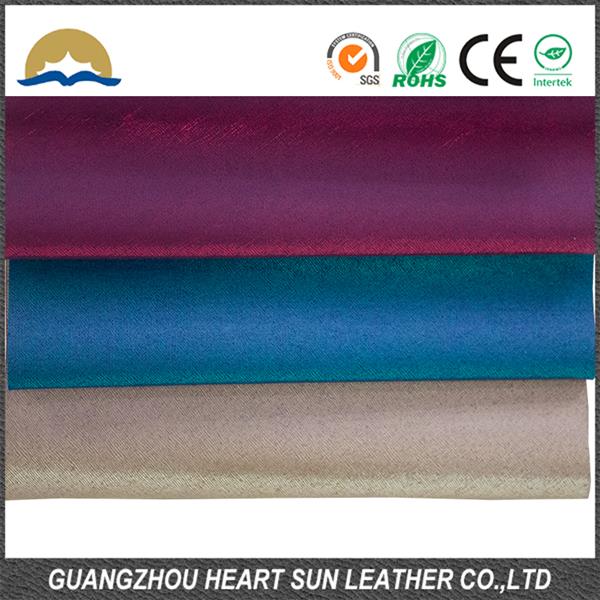
Friday, March 2, 2018

How to Care for Your Leather Clothing

If your favorite way to stay warm when the weather cools down is by wrapping your fingers in  glitter leather gloves, zipping you body up in a leather jacket, and lacing up your leather boots, you also know this luxe material is intimidating to care for — until now. Here’s everything you need to know about keeping your leather clothing in tip-top shape — and cleaning up scratches and faded color after a little wear and tear (it happens
01_23

1. Protect your clothing before you wear it.

Prevention is the best form of protection, says Carolyn Forte, director of the Cleaning Lab at the Good Housekeeping Institute: “Treating leather and suede regularly helps them look their best.” Our recommendation? Try Kiwi’s Protect-All.

2. Then, reapply protection at least every three months.

Or more often if it’s a particularly nasty season (will the snow ever melt!?).

3. Select your cleaning method based on the item’s value.

While Forte says all leather is cleaned the same (more on that below) she doesn’t believe you should treat all items equally: “Smaller things are generally less expensive and easier to spot clean at home, but I wouldn’t do a jacket or pair of pants myself.” Instead, she says to take your more expensive items to a professional.

4. Take your time when going the DIY route.

With smooth leather, slow and steady wins the race. Carefully rub in mild soap or leather cleanser onto your item with a damp paper towel, let it sit several seconds, then wipe it clean. Let it air dry afterwards (away from direct heat) and use a leather conditioner to moisturize. However, at the first sign of color bleeding or fading you should stop what you’re doing and take your item to a pro.

5. And always spot-test before you start.

To make sure your cleaning products and method are a match with your leather, test it out on a hidden spot first — like inside the hand opening on a glove.

6. Don’t forget water drastically changes leather.

According to Forte, the biggest mistake people make when caring for leather clothing is getting it too wet, then rubbing the material too hard. “Leather is delicate, especially when wet and the color can come off easily,” Forte says, so don’t saturate or vigorously rub it while cleaning — and never immerse leather in water.

Wednesday, January 17, 2018

How to Paint Faux LeatherⅢ

1 Trace a design onto the surface. Use a pencil to lightly trace your desired design onto the leather. Do not press too hard, as this will indent the leather. The paint is also semi-transparent, so any bold lines beneath the paint may show through.
2 Fill in the design. Using a paintbrush, fill in your design with the desired colors.Try to avoid creating thick layers of paint. A thick layer of paint will be more likely to crack over time. If your design has multiple colors, let each color dry before moving on to the next to avoid smudging the paint.Be sure to clean your brushes each time you select a new paint color to work with. Keep a small cup of water next to your workstation. Dip the paintbrush in the water before placing it into another color.
3 Clean up mistakes with acetone. If you make a mistake while painting, use a small amount of acetone on a cotton ball or cotton swab to gently lift away the paint. Once the paint is successfully removed and the area has dried, you can continue painting.

4 Let it dry. When you have finished painting your design, put it aside and let it air dry. The item should be secured in a safe place where it won’t be damaged or disturbed. The paint should dry within 15 to 20 minutes.

Monday, January 8, 2018

How to Paint Faux LeatherⅡ


By heartsun leather,a china leather factory
1 Clean the faux leather. Use a small amount of isopropyl alcohol to remove dust, dirt, grease, and wax from the faux leather. Dampen a cotton ball and wipe the entire surface of the material. A clean surface, free from dirt and grease, will allow the paint to strongly adhere to the faux leather.
2Use a paint palette. Prepare a paint palette so you can easily and efficiently access your desired paint colors as you work. You can buy a wooden or plastic artist’s palette at an arts and crafts store, or you can use a sheet of aluminum foil, a newspaper, or a magazine to house your paint.
3 Mix a small amount of acetone to your acrylic paint. Squeeze your desired paint colors onto your paint palette and add a few drops of acetone to the paint if you are working with acrylics. The acetone will thin the paint, making it smooth and easier to work with. Gently mix the paint and the acetone together with a small paintbrush. Be sure to only add a few drops or up to a teaspoon of acetone to your paint so that the paint does not become too watery.
4 Apply a base coat for large surfaces. If you are painting a large surface in a uniform color, you will want to apply an even base coat of paint to the surface. Use the paint you selected for your project and apply it to the surface. This is ideal if you are working with furniture or clothing.
5 Apply paint to one side of a sponge. Lightly press the sponge into the paint from your paint palette. Use long, vertical strokes to distribute the paint across the faux leather surface. Acrylic paint can dry rapidly, so you will need to work quickly if you are working with this medium. Focus on creating long strokes when painting a large surface to avoid creating streaks. If you are working on upholstery, plan to paint only one side at a time.
6 Allow the paint to dry. Before adding additional coats, the paint will need to dry completely. Place the item in a safe place where it won’t be disturbed, damaged, or moved. Wait for about 15 to 20 minutes for the coat to dry completely.


7 Enhance the color with additional layers of paint. After the first coat of paint has thoroughly dried, add another layer of paint to enhance the brightness and saturation of the color. As you add additional layers, be sure that the previous coat is dry before you apply another coating of paint.

Tuesday, December 26, 2017

How to Clean a Leather Phone Case

Yiguan Leather,a China leather factory


Leather Phone Cases
Leather phone cases are durable and beautiful options for cell phones. The cases come in a variety of colors and styles. Learning how to clean a leather phone case can help keep the protective case in top notch condition. 

Cloth Cleaning

Minor smudges and dirt can be easily cleaned with a dry cloth. Shoppers can find microfiber cloth sets designed specifically for leather. The cloths can be used dry or with a touch of water. 

Cleaning and Conditioning

Regularly wiping the leather cell phone case can keep it in good shape. However, it helps to clean and condition the leather for optimal care. An all purpose leather cleaner and conditioner can help keep leather cell phone cases like new. 

Leather CPR

Leather CPR is a good choice for cases that have seen some wear and tear.  This product not only cleans and conditions the leather, it helps repair damage in the process.  

Leather Care Kits

Leather care kits might be the best choice for those who have multiple leather products at home. Getting into a regular routine of cleaning and conditioning all leather items is a great way to keep them in the best condition possible. 

Leather Repair Kit


Cell phone cases get a lot of use, and from time to time even the highest quality products show some wear and tear. Leather repair kits are available in a wide range of colors so finding a perfect match is simple. 

Thursday, August 18, 2016

How to Maintain Furniture(1)


if you buy leather hides furniture,you need to maintain carefully.The article will teach you how to maintain furniture.
1. Do not use coarse cloth or old clothes to wipe furniture. Because coarse fibers are more rough, and old clothes have many sutures and buttons, which are easy to scratch furniture. Preferably with a towel, cotton cloth, cotton or flannel cloth and other good absorbent cloth to wipe furniture
  2. Do not spray wax on leather furniture. Furniture care spray wax can be used to spray the surface of wooden furniture, not sprayed on leather furniture. Once the spray wax spray on it, it will lead to clogging of the pores of leather products, the leather will age and shorten its life. In addition, some people in order to make furniture look shiny, some of the products made of wax directly applied on the furniture, or improper use, would give the furniture surface haze spots.


3. Do not use soap soiled, detergent and a damp cloth to wipe the furniture. Because they have a certain corrosive, which can damage the surface of furniture, so the furniture paint becomes bleak, if the penetration of moisture into the wood, the wood will cause mold or local deformation, shortened life.

4. Do not place furniture on the sun exposure, they also do not want the furniture in a very humid place. If the furniture is sun exposure, the case will paint the furniture surface to the sun , but also volatile paint, a long time had changed color, even unglued, crack. If too moist, it is easy snake, mildew, corrosion furniture.

5. Do not place hot things, such as high concentrations of alcohol, boiled water etc ,to prevent damage to the paintwork.
Next Page